But is it random?
CONTENT WARNING - SEXY VASE
Say you're made of lego and you want to have sex. How do you do it?
Let's let a randomiser decide for us. Grab two lego figures and toss them on the table, Pass-the-Pigs-style.

In whatever orientation they land is how they have sex...

Damn.
Well, our random system doesn't work then. Let's fix it with the boggle method. If we put the two figures in a glass, we can prevent them from jumping away from each other. Shake it up and we can get a couple of different configurations.
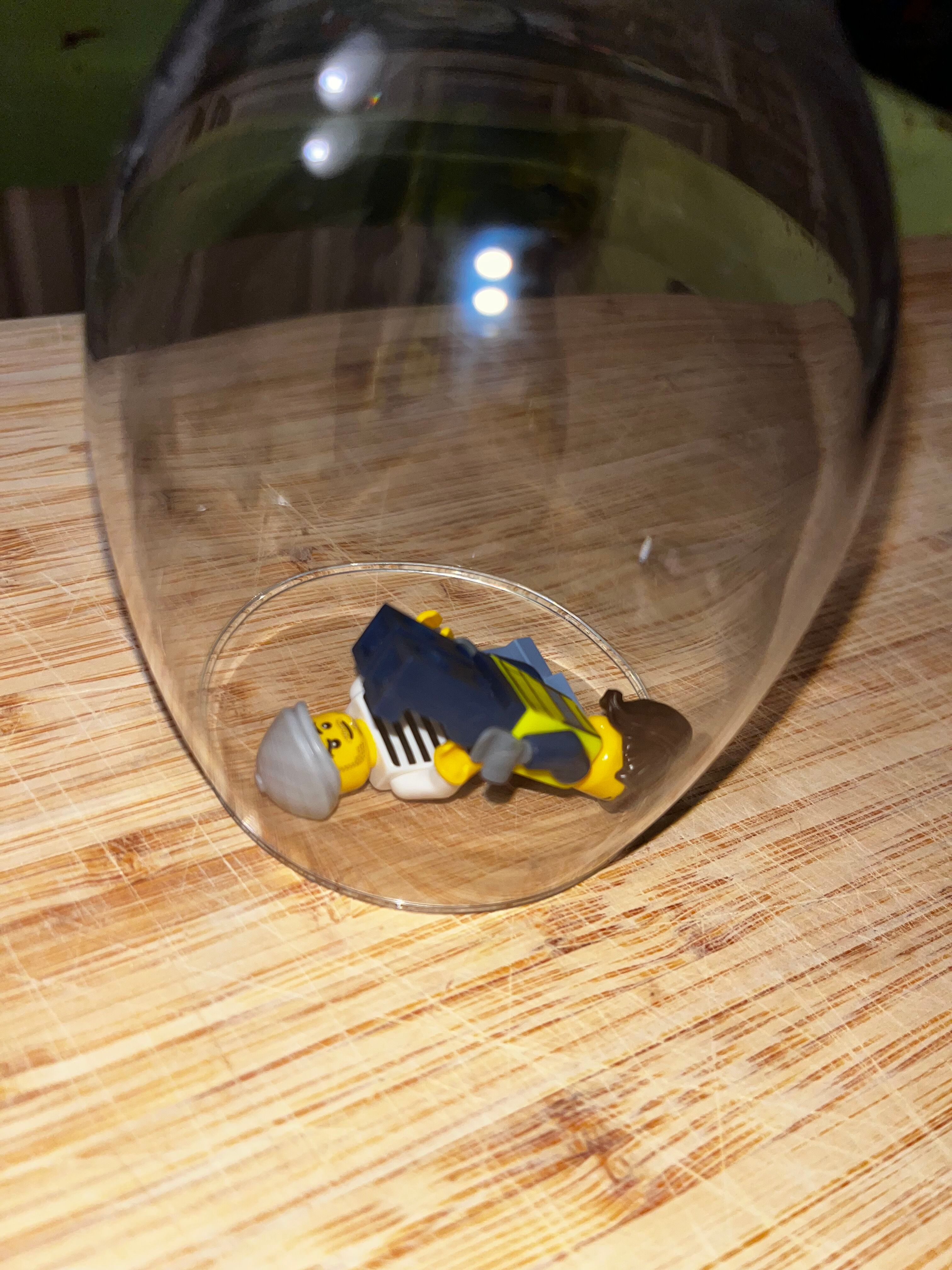
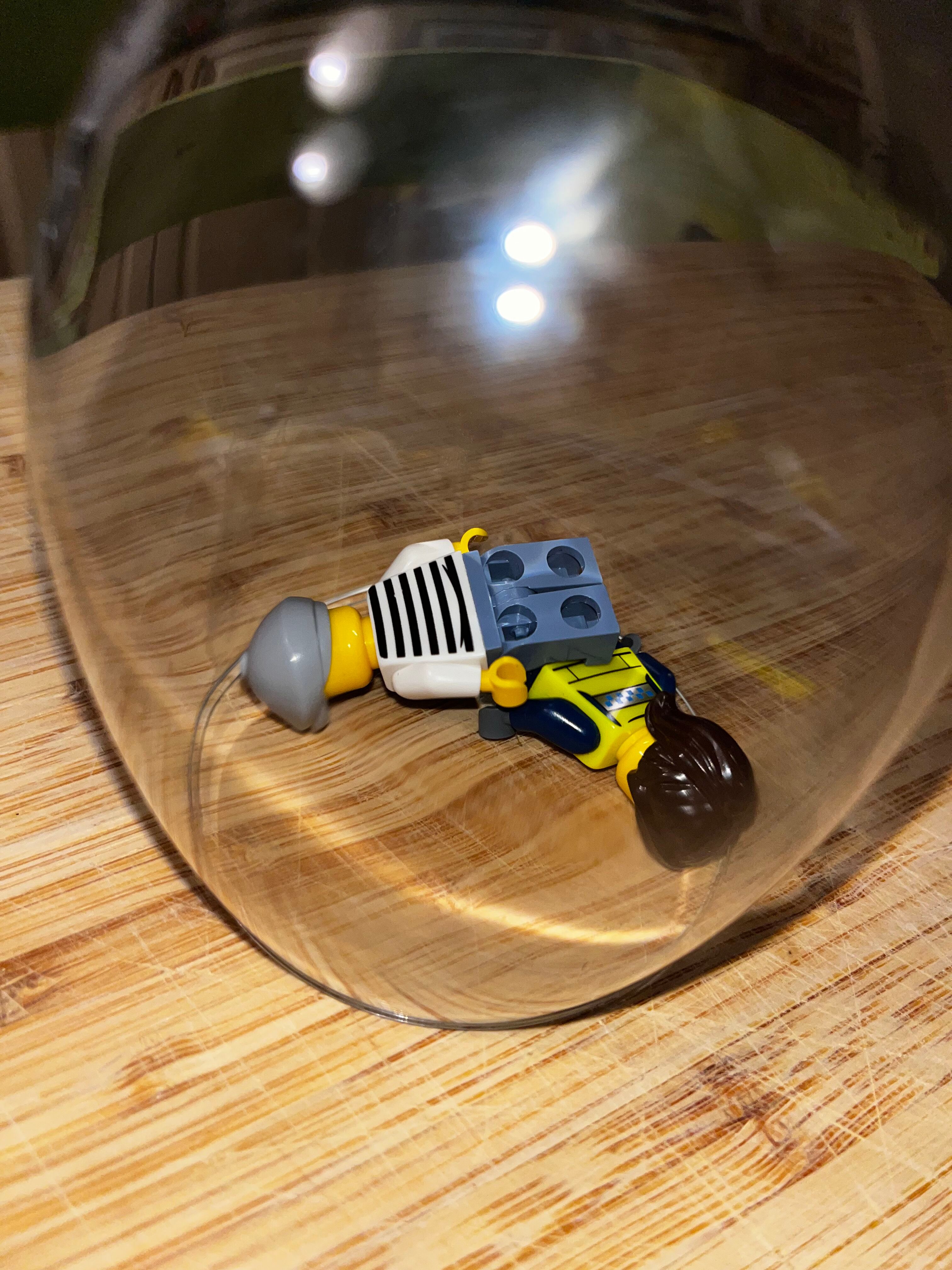
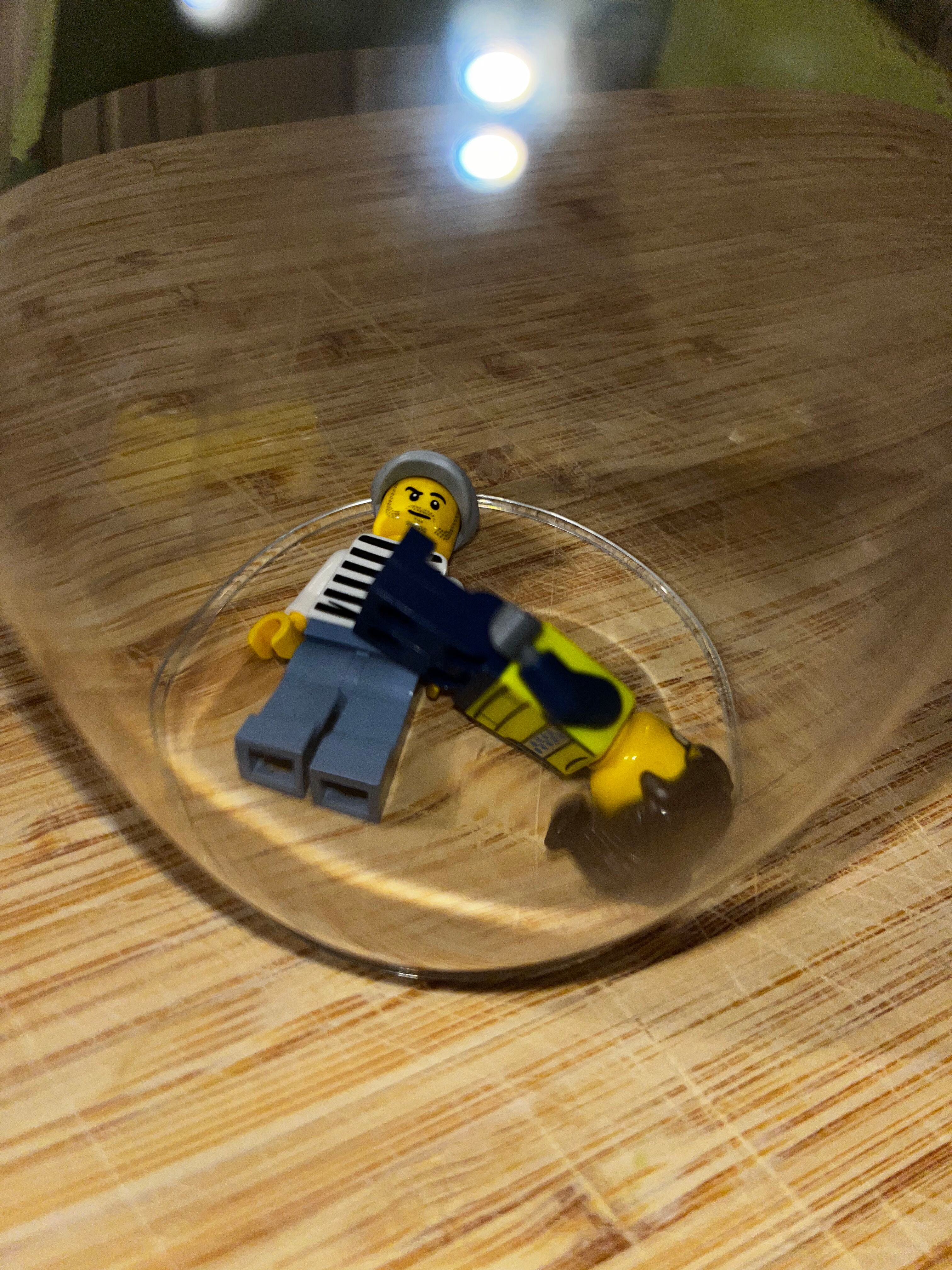
There we go. It's an abstraction, but by seeing what parts of the lego figures are touching we can work backwards to some racy positions. (And a bit of missionary.)
Dice and other randomisers are great, because we don't have to involve ourselves in decisions. Right?
Wrong. That idea is a trap. It's easy to say that dice results are impartial, but there is ideology hiding in each roll.
Let's look again at our lego sex randomiser. As cis-het-vanilla as I am, it's easy to forget that sex doesn't always look this.
Let's look at an artistic depiction of sex instead. Take this 2600-year-old Etruscan amphora.
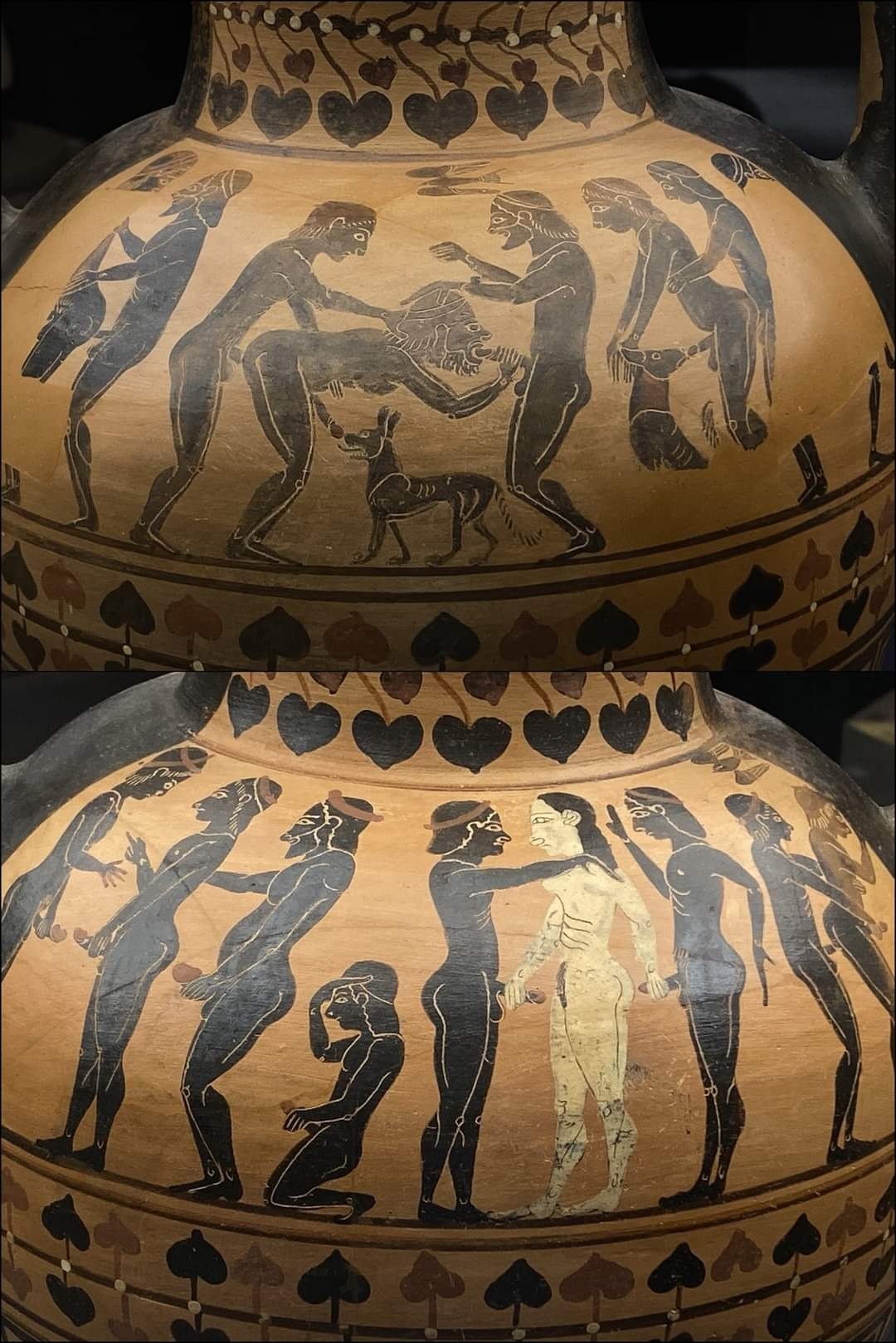
Or let's look at something more modern.
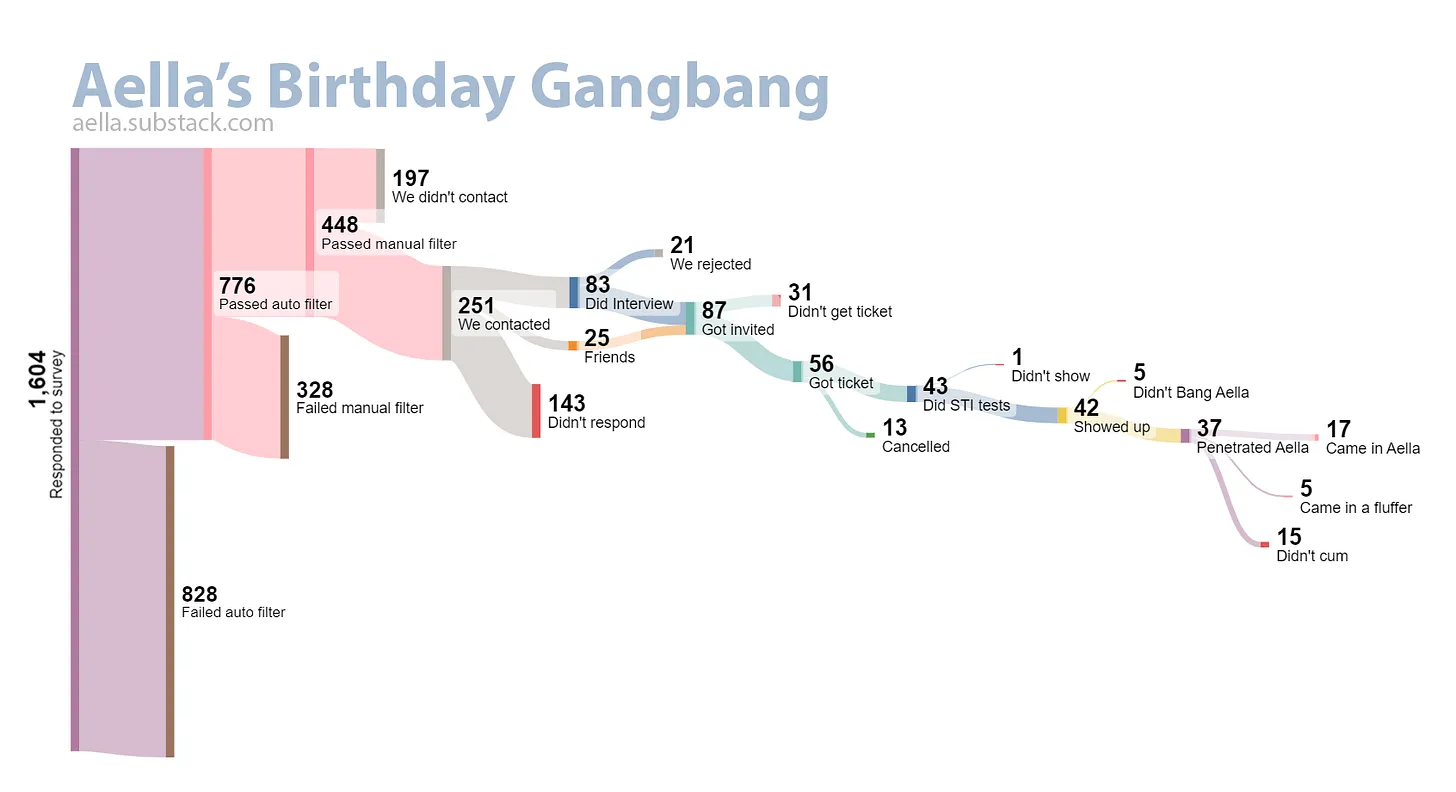
Or let's look at another sexual practice.

Damn, our randomiser can't give us anything like that.
We can try to efface our intentions, our ideology or our desires behind randomness. This is the fallacy that the Dice Man believes.
I think back to Sartre's idea of radical free choice, where you are always necessarily involved in your decision.
But if you seek counsel – from a priest, for example you have selected that priest; and at bottom you already knew, more or less, what he would advise. In other words, to choose an adviser is nevertheless to commit oneself by that choice.
-- Jean-Paul Sartre, Existentialism is a Humanism
A random choice is never truly random. It is you who set up the stakes. Remember that whenever you roll the dice, it is you behind each of the six faces.